
Marine vessels generate layers of mechanical resonance that can overwhelm cabins, decks, and helm stations. Effective Marine soundproofing strategies help weaken disruptive engine reverberations while improving onboard comfort for crew and passengers. Many boat owners search for reliable Marine Noise Insulation methods capable of subduing vibration-induced rumbling without compromising ventilation or engine access. By applying specialized acoustic materials, adjusting enclosure geometry, and optimizing airflow systems, you can transform a noisy engine bay into a quieter and more enjoyable maritime environment.
Understanding Why Marine Engines Produce Excessive Noise
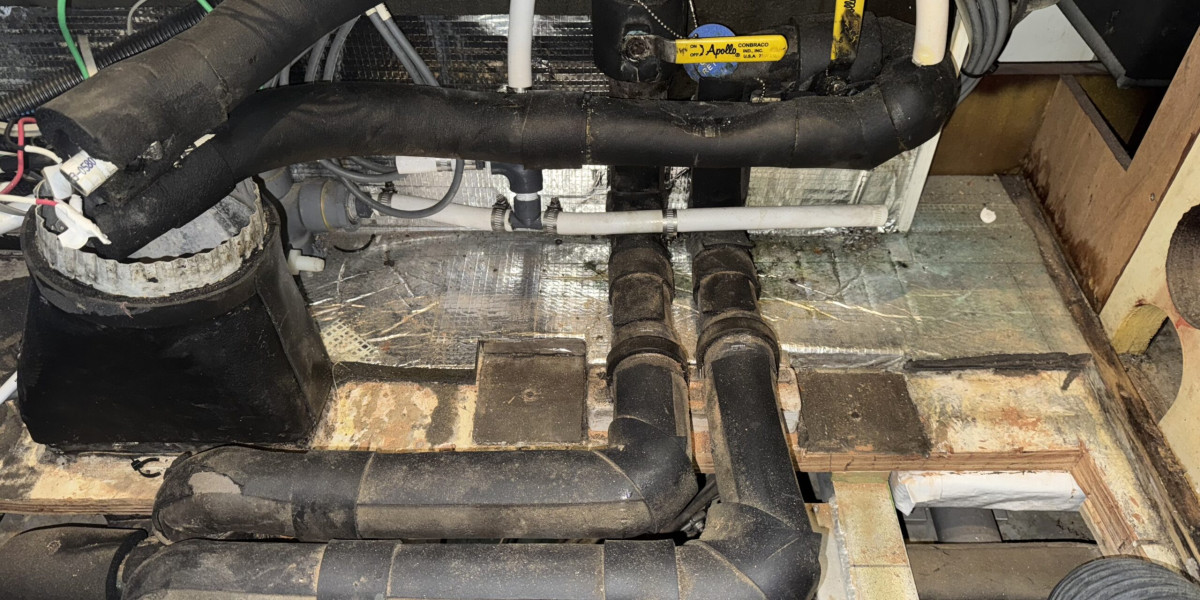
Marine engines perform immense work within confined hull spaces. These compact compartments intensify sound waves because rigid bulkheads reflect and multiply mechanical pulses. Alternating engine cycles emit low-frequency vibrations, while ancillary systems—cooling pumps, alternators, and transmission units—release mid-frequency chatter. Without a structured Marine soundproofing plan, these impulses infiltrate saloons, sleeping quarters, and cockpit lounges, causing fatigue and reducing onboard tranquility.
Vibration transfer is another major contributor. When engine mounts stiffen or misalign, they channel tremors directly into the hull. This effect amplifies noise levels and increases metal-to-metal contact resonance. Understanding these sources is essential before applying any insulation package.
Key Principles Behind Effective Marine Noise Reduction
1. Decoupling Vibrational Energy
Decoupling prevents direct transfer of mechanical pulses. Flexible engine mounts, isolation pads, and soft-coupling hardware absorb rhythmic motion before it reaches structural elements. Strategically integrating components designed to provide damping can significantly improve the impact of your broader Marine Noise Insulation system.
2. Adding Acoustic Mass
Acoustic mass blocks airborne noise. Dense barriers—such as loaded vinyl composites or multilayered bulkhead panels—capture and neutralize turbulent engine clamor. These materials are often layered with foam or fiberglass to improve thermal resistance and overall acoustic absorption.
3. Absorbing Reverberation
Porous absorbers break down sound reflections inside the engine bay. Specialized foams, mineral fibers, and wave-dissipating panels help keep chamber acoustics under control. When combined with decoupling and mass-loading layers, they create a high-performance Marine soundproofing envelope.
Best Materials for Marine Engine Soundproofing
Closed-Cell Acoustic Foam
Closed-cell foam resists moisture and oil infiltration, making it ideal for marine environments. Its textured surfaces scatter sound energy and reduce cabin-penetrating frequencies.
Mass-Loaded Vinyl Panels
MLV sheets add significant density to partitions. Their flexibility allows installation around curved hull surfaces, creating durable Marine Noise Insulation barriers that neutralize mid-to-high-frequency noise.
Composite Engine Bay Panels
These multi-layer assemblies often combine aluminum foil, rubber cores, and acoustic foam to resist heat while reducing vibration. They perform exceptionally well in high-temperature zones beside manifolds and exhaust headers.
Vibration-Damping Mounts
Mounts formulated with elastomeric compounds limit rigid structural transfer. When replaced periodically, they help maintain long-term noise control performance.
Advanced Noise Control Approaches
Re-engineering Engine Room Architecture
Reshaping engine enclosures can drastically reduce reflection paths. Chamfered edges, curved baffles, and layered bulkheads diffuse engine output more effectively than flat partitions. This approach often pairs with premium Marine soundproofing materials to maximize suppression.
Enhancing Ventilation Channels
Ventilation openings can unintentionally act as noise escape routes. Installing acoustic baffles or baffled ductwork reshapes airflow pathways so that air moves freely while sound struggles to exit.
Exhaust System Upgrades
Marine exhaust systems produce intense low-frequency rumbles. Water-lift mufflers, resonators, and redesigned piping attenuate booming pulses before they radiate across your vessel’s hull.
Isolating Auxiliary Machinery
Generators, freshwater pumps, and hydraulic units also introduce noise contamination. Enclosing them with dedicated Marine Noise Insulation panels prevents interference with sleeping quarters or navigation stations.
Step-by-Step Guide to Soundproofing Your Engine Bay
1. Evaluate Existing Noise Sources
Conduct a sound-mapping assessment by running the engine and identifying the loudest regions. Note frequency types—rumble, buzz, or whine—to select proper materials.
2. Clean and Prepare Surfaces
Insulation materials adhere best to clean, dry surfaces. Remove grease, salt deposits, and loose paint before installing layers.
3. Apply Barrier Layers
Install dense vinyl barriers on engine room bulkheads. Overlap seams using aluminum tape to prevent sound leaks.
4. Add Absorptive Foams
Layer acoustic foam over mass barriers. Position materials away from direct flame exposure and ensure proper ventilation spacing.
5. Inspect Engine Mounts
Worn mounts significantly increase transmission noise. Replace them with higher-grade damping mounts to enhance your Marine soundproofing setup.
6. Seal Gaps and Penetrations
Any opening—wire chases, conduit ports, duct gaps—can disrupt acoustic performance. Fill these with high-temperature sealants or rubber grommets.
Common Mistakes to Avoid
Using household insulation products not rated for marine conditions
Forgetting to maintain heat clearance around exhaust manifolds
Over-sealing ventilation routes, causing engine overheating
Ignoring hull resonance or structural vibration
Expecting one material to solve all noise issues without a layered design
Avoiding these missteps ensures a long-lasting Marine Noise Insulation system that withstands moisture, heat, and continuous vibration.
Final Thoughts
Effective noise reduction for marine engines requires a combination of acoustic science, quality materials, and careful installation. Whether you aim to upgrade cruising comfort or refine the acoustic envelope of a commercial vessel, the right blend of decoupling, damping, barrier layering, and absorption can greatly reduce mechanical disruption. By adopting a systematic approach to Marine soundproofing, you create a calmer, safer, and more enjoyable environment for everyone aboard.